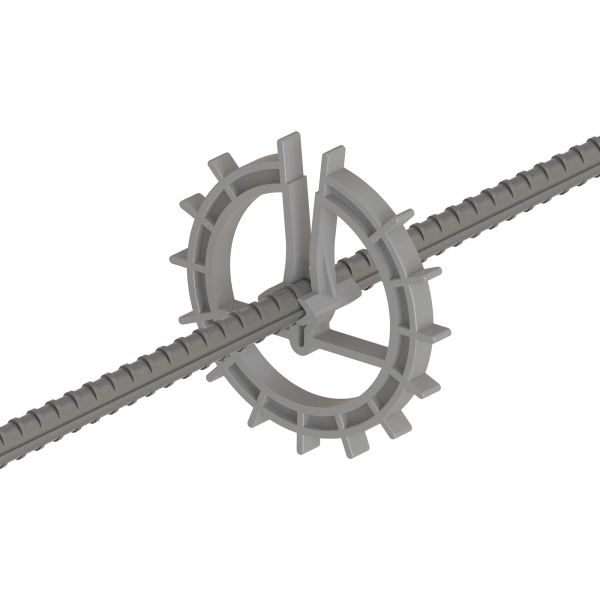
Reid™ Circular Spacers help maintain concrete cover around reinforcement in precast and tilt up applications. Designed for practical production use, they support consistent spacing and reliable reinforcement positioning.
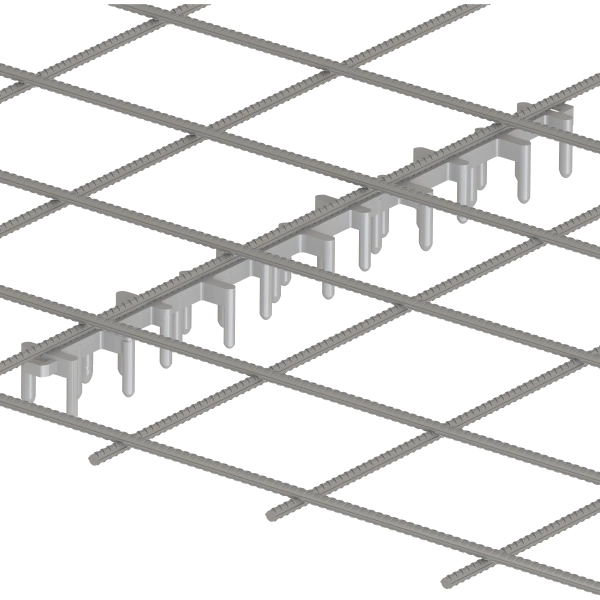
Reid™ Deck Rail is a continuous plastic spacer designed for formwork applications. It provides stable reinforcement support and can be clipped together to suit the required length, helping improve placement efficiency on site or in the precast yard.
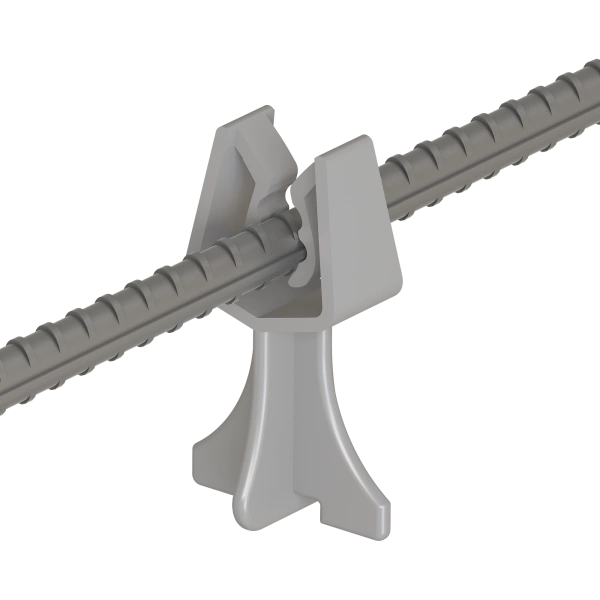
Reid™ Fast Clip Bar Chairs are designed to make steel fixing and cover identification easier. Suitable for bar sizes from 4 mm to 20 mm, they help hold reinforcement in position and support consistent concrete cover.
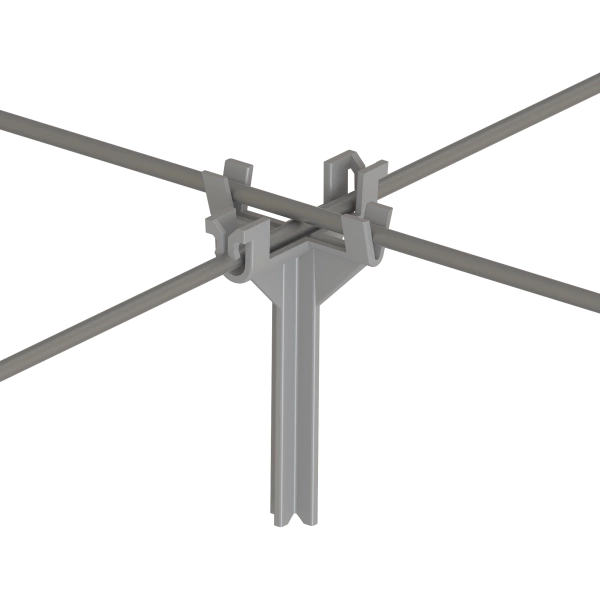
Reid™ Mesh Chairs are clip on supports for reinforcing mesh in precast, tilt up and suspended slab applications. They clip to the mesh intersection to help improve stability and maintain reinforcement position during placement.
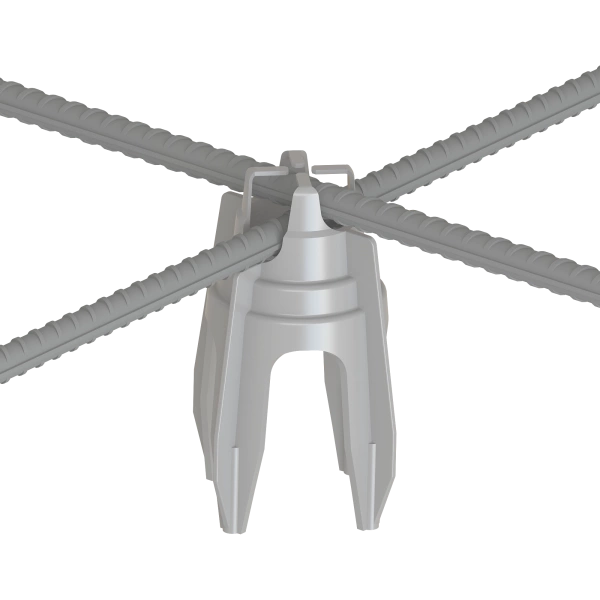
Reid™ Panel Chairs are designed to support single layered mesh in precast elements, tilt up panels and some suspended deck applications. The clip mechanism allows the chair to swing into position as the mesh is lowered into the form.
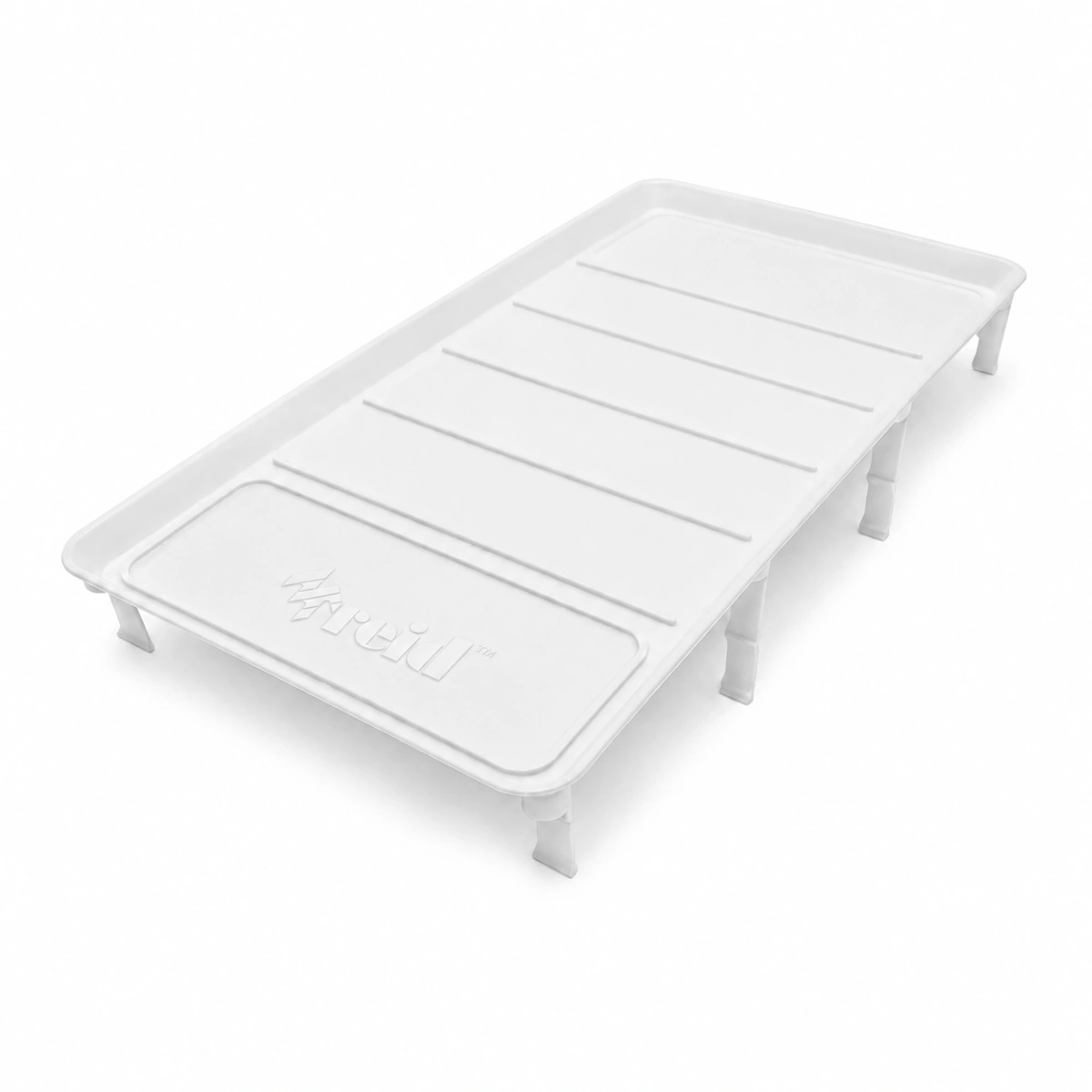
Reid™ Panel Plates are plastic ID plates cast into precast panels to provide clear identification, specification and quality control details. Designed for use across Australia and New Zealand, they help support traceability and easy panel identification throughout production, transport and installation.
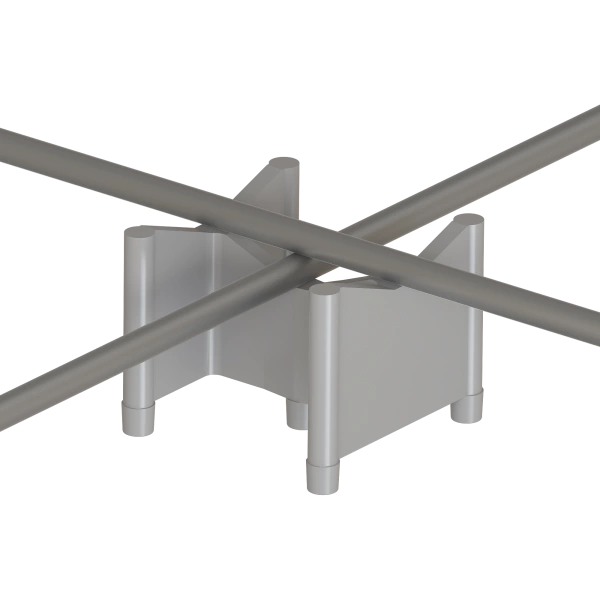
Reid™ Top and Bottom Deck Chairs support reinforcing mesh and bars in deck, precast and tilt up applications. Designed for stability where cover and reinforcement height are important, they help maintain accurate positioning during concrete placement.
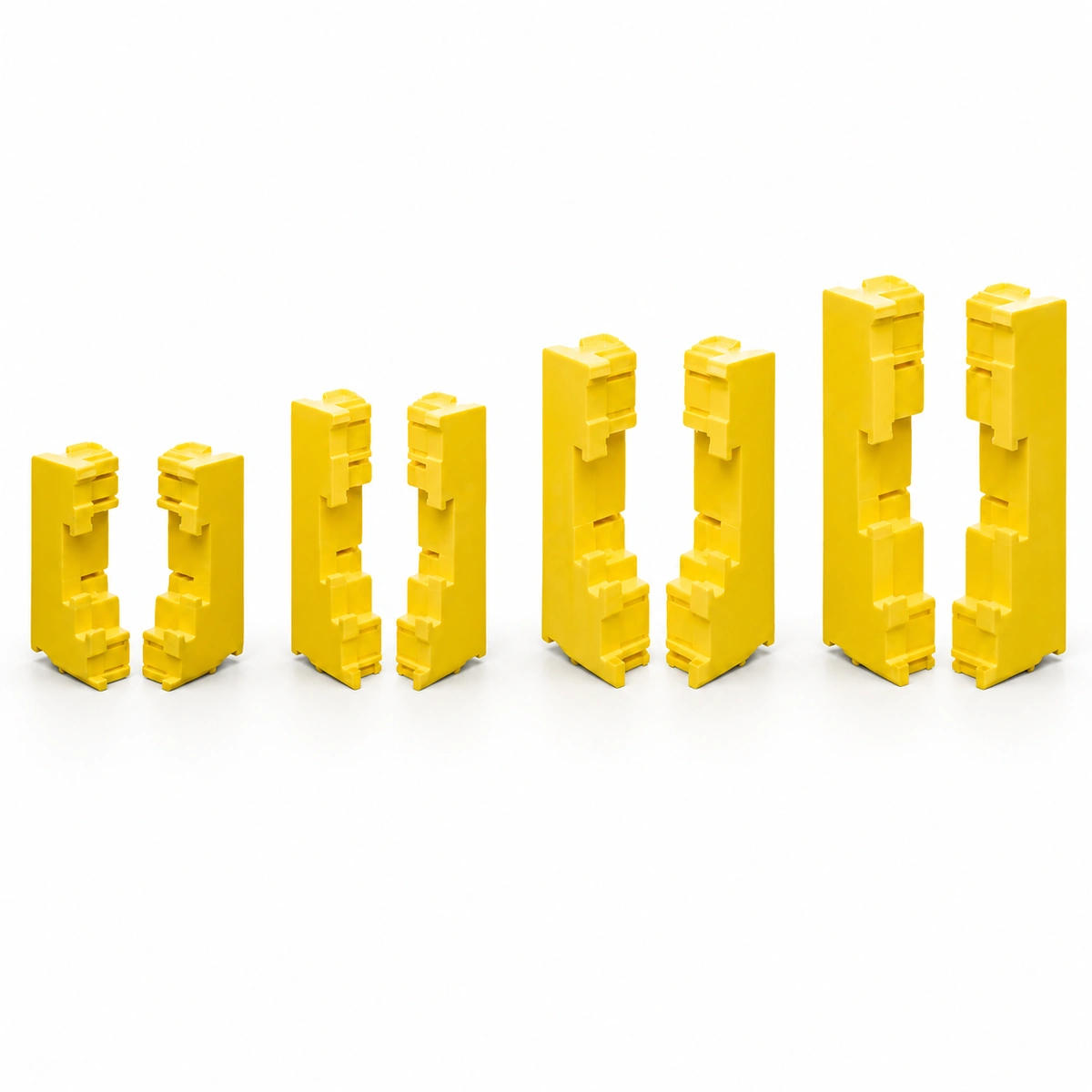
Reid™ Spartan™ End Caps are used at the ends and joins of Spartan™ Sideform sections. They help reduce concrete bleed between temporarily joined sideforms and prevent concrete from filling the internal cavities of the sideform.
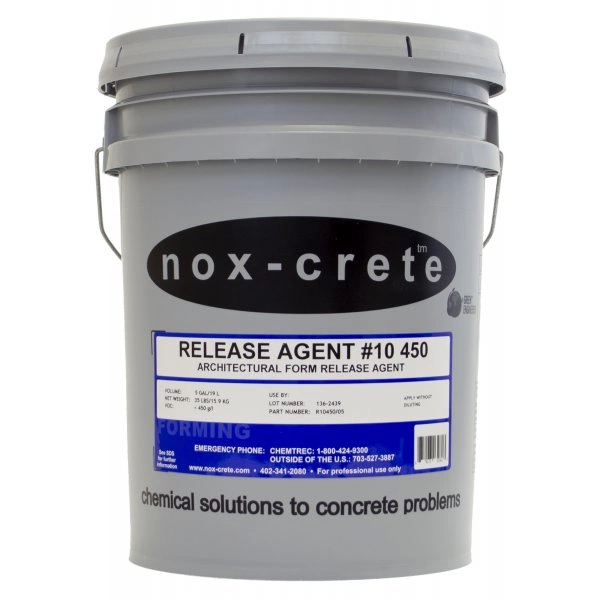
Release Agents help concrete separate cleanly from formwork, supporting improved surface finish and reduced cleaning time. Designed for concrete production and precast environments, the range helps protect formwork surfaces and improve demoulding efficiency.
Reid™ Mesh Chairs are clip on supports for reinforcing mesh in precast, tilt up and suspended slab applications. They clip to the mesh intersection to help improve stability and maintain reinforcement position during placement.